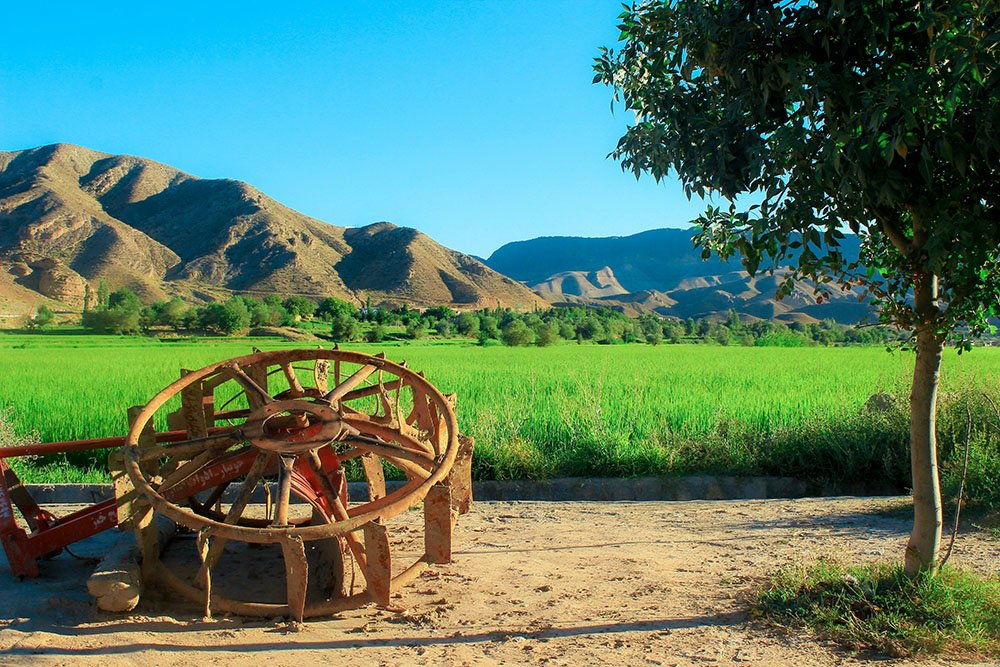
Agricultural land investment in India is considered by some buyers as a way to own a physical land asset while potentially using it for farming, horticulture, plantations or other permitted agricultural activities. Farmland can also attract buyers looking at long-term land ownership in rural and semi-rural locations.
However, agricultural land is very different from a residential plot or commercial property. Purchase eligibility, transfer restrictions, land classification, tenancy rights, ceiling limits, conversion rules and revenue records can vary between states.
Agricultural land should therefore be evaluated based on its legal status, location, agricultural usability, water availability, access, ownership records and financial costs, rather than simply assuming that land prices will increase.
This guide explains the potential benefits, risks and important considerations when evaluating agricultural land as an investment in India.
What Is Agricultural Land Investment?
Agricultural land investment generally means purchasing land classified or used for agricultural purposes with the intention of:
- Cultivating crops
- Developing an orchard
- Establishing a plantation
- Operating an agricultural business
- Holding the land for the long term
- Generating permitted agricultural income
- Using the property for other legally permitted agricultural activities
The investment can therefore have both land-ownership and agricultural-use aspects.
It is important to distinguish agricultural land from land merely marketed as "farm land." An online advertisement may use terms such as farmland, farm plot, farm estate or agricultural property, but the buyer should verify the property's actual classification and legal status through the relevant records.
Why Do People Invest in Agricultural Land?
Agricultural land can appeal to different types of buyers.
1. Physical Land Asset
Unlike financial investments, agricultural land is a physical asset that can potentially be used for farming or other permitted purposes.
2. Agricultural Use
An owner may be able to cultivate crops, grow fruits, operate a plantation or conduct other agricultural activities depending on the property's characteristics and applicable regulations.
3. Potential Agricultural Income
Productive land may generate income from:
- Crops
- Fruits
- Vegetables
- Plantation produce
- Flowers
- Nursery operations
- Other permitted agricultural activities
However, agricultural income depends on crop selection, weather, water, labour, input costs, market prices and farm management. Land ownership itself does not guarantee agricultural income.
4. Long-Term Ownership
Some buyers purchase agricultural land with a long-term holding strategy rather than expecting immediate income.
5. Diversification
A buyer with investments concentrated in financial assets or urban property may consider land as another type of physical asset. Whether this provides useful diversification depends on the individual's overall financial situation.
Is Agricultural Land a Good Investment?
There is no universal answer.
The suitability of agricultural land as an investment depends on factors such as:
- Location
- Purchase price
- Legal status
- Buyer eligibility
- Water availability
- Soil quality
- Agricultural productivity
- Road access
- Land size
- Holding period
- Liquidity requirements
- Local demand
- Development restrictions
- Cost of maintaining the property
Agricultural land does not provide a guaranteed rate of appreciation or income.
A property located in an attractive area can still have title problems, poor water availability, access issues or restrictions that affect its usefulness and resale prospects.
Benefits of Agricultural Land Investment
1. Tangible Asset
Agricultural land is a physical asset with identifiable boundaries and location.
Owners can potentially use the land rather than holding it solely as a financial instrument.
2. Potential Agricultural Income
Productive farmland can generate income when properly managed.
Revenue may come from:
- Seasonal crops
- Horticulture
- Orchards
- Plantation crops
- Nursery activities
- Other permitted agricultural operations
The actual income depends heavily on local agricultural conditions and operating costs.
3. Multiple Agricultural Uses
Depending on the land and applicable regulations, farmland can support different activities.
For example:
- Vegetable cultivation
- Fruit farming
- Floriculture
- Dairy-related activities
- Poultry-related agricultural activities
- Plantation
- Agroforestry
- Nursery operations
Not every activity is permitted on every parcel, so buyers should verify the applicable rules before making plans.
4. Long-Term Holding Potential
Some buyers prefer agricultural land because they intend to hold it for many years.
A long holding period may allow the owner to focus on the property's agricultural utility and location rather than short-term price movements.
5. Potential Demand Near Growing Areas
Agricultural land located near expanding towns or infrastructure corridors may attract interest from different categories of buyers.
However, future development should never be assumed. Verify proposed roads, infrastructure projects, zoning changes and acquisition plans through reliable government sources.
6. Opportunity for Direct Agricultural Use
Unlike some passive investments, farmland can potentially be used directly by the owner.
A buyer interested in agriculture may therefore evaluate the land based on both:
Asset value + agricultural productivity
rather than land price alone.
Important Risks of Agricultural Land Investment
Agricultural land also has significant risks that buyers should understand before investing.
1. State-Specific Purchase Restrictions
Land administration and management are primarily within the domain of the States in India. The central Department of Land Resources notes that land and its management fall within the State List, while the Union government supports states through land-record modernization initiatives.
As a result, agricultural-land purchase rules can differ substantially between states.
Depending on the location, there may be rules relating to:
- Who can purchase agricultural land
- Agriculturist status
- Landholding limits
- Tenancy
- Transfer restrictions
- Tribal land
- Assigned land
- Ceiling laws
- Protected categories of land
Always verify eligibility under the law applicable to the specific property.
2. Low Liquidity
Agricultural land may take longer to sell than highly liquid financial assets.
Finding a buyer can depend on:
- Location
- Price
- Land size
- Documentation
- Access
- Local demand
- Buyer eligibility
- Agricultural potential
Therefore, buyers should avoid putting money into agricultural land if they may need the funds immediately.
3. Water Risk
Water is one of the most important factors affecting agricultural productivity.
Potential problems include:
- Falling groundwater
- Failed borewells
- Seasonal water supply
- Drought
- Canal dependency
- Poor irrigation infrastructure
A property with good soil but inadequate water may not produce the expected agricultural output.
4. Weather and Climate Risk
Agricultural production is affected by:
- Rainfall
- Drought
- Flooding
- Heat
- Storms
- Pest outbreaks
- Crop diseases
Land ownership does not eliminate these agricultural risks.
5. Price Risk
Land prices can vary considerably between villages, districts and states.
A buyer should not assume that agricultural land will automatically appreciate at a particular rate.
Factors that can influence prices include:
- Infrastructure
- Urban expansion
- Road connectivity
- Local demand
- Government policies
- Land-use restrictions
- Agricultural productivity
- Nearby development
6. Legal and Title Risk
Land disputes can involve:
- Inheritance
- Family ownership
- Partition
- Boundary claims
- Tenancy
- Encroachment
- Mortgages
- Government acquisition
The Department of Land Resources' land-record modernization programme specifically aims to improve transparency, reduce disputes and help prevent fraudulent transactions through better land-record systems.
Independent legal verification is still important before purchasing.
Agricultural Land Investment Near Cities
Agricultural land near cities often attracts attention because of its location.
Potential factors include:
- Urban expansion
- New roads
- Industrial development
- Employment hubs
- New residential areas
- Infrastructure projects
But buyers should be careful.
Agricultural land near a city does not automatically become residential or commercial land.
Before purchasing, verify:
- Existing land classification
- Master plan
- Zoning
- Conversion requirements
- Development restrictions
- Road widening plans
- Acquisition notifications
- Environmental restrictions
Do not purchase solely because a broker says that the surrounding area will become a major development zone.
Agricultural Land and Land Conversion
One common investment strategy discussed in the market is buying agricultural land with the expectation that it can later be converted for residential or commercial use.
This requires caution.
Conversion rules are state-specific and may involve:
- Application to the relevant authority
- Land-use approval
- Development charges
- Planning permissions
- Minimum area requirements
- Road-access requirements
- Environmental conditions
- Other local restrictions
Conversion should be treated as a possibility only where legally permitted, not as an automatic feature of agricultural land ownership.
How to Evaluate Agricultural Land as an Investment
Before buying, evaluate the property across several categories.
1. Location
Consider:
- District
- Village
- Distance from major town
- Road connectivity
- Nearby markets
- Nearby agricultural activity
- Transport availability
2. Land Size
Compare properties based on the appropriate unit, such as:
- Acre
- Hectare
- Square yard
- Square metre
Use consistent measurements when comparing properties.
3. Price Per Acre
Instead of looking only at the total price, calculate:
Price per acre = Total purchase price ÷ Total acres
This provides a more useful starting point for comparing properties of different sizes.
4. Water
Evaluate:
- Borewell
- Open well
- Canal
- Farm pond
- Rainfall
- Groundwater
- Irrigation infrastructure
5. Soil
A soil test can provide information about:
- pH
- Nutrients
- Organic matter
- Salinity
- Soil type
- Drainage
6. Access
Check whether the property has legally established road access.
Also consider whether farm vehicles can reach the property throughout the year.
7. Existing Agricultural Activity
If the property is already cultivated, find out:
- What crops are grown
- Irrigation method
- Annual cultivation costs
- Typical yields
- Existing farm infrastructure
- Labour availability
8. Documentation
Check:
- Title deed
- Previous deeds
- Revenue records
- Record of Rights
- Mutation
- Survey map
- EC
- Tax records
- Conversion documents, if applicable
Agricultural Land Investment Checklist
Before paying an advance, verify the following.
Ownership
- Seller's identity
- Current title
- Previous title documents
- Legal heirs
- Co-owners
- Power of attorney, if applicable
Land Records
- Survey number
- Subdivision number
- Land extent
- Record of Rights
- Mutation
- Land classification
- Cadastral map
Legal Status
- Encumbrance
- Mortgage
- Court disputes
- Government acquisition
- Tenancy
- Transfer restrictions
- Ceiling restrictions
Physical Property
- Boundaries
- Survey measurements
- Road access
- Water
- Electricity
- Soil
- Drainage
- Encroachments
Financial
- Purchase price
- Stamp duty
- Registration charges
- Legal fees
- Survey costs
- Brokerage
- Development expenses
- Agricultural operating costs
How to Check Agricultural Land Records
Land records are particularly important when evaluating farmland.
The Department of Land Resources' Digital India Land Records Modernization Programme focuses on digitizing land records, improving access to information and integrating land-related records and services.
Depending on the state, buyers may be able to access records relating to:
- Ownership
- Survey numbers
- Land extent
- Classification
- Mutation
- Maps
- Revenue information
However, the terminology and online systems differ between states.
Always use the appropriate state government land-record portal or local revenue authority for verification.
Physical Inspection of Agricultural Land
Never purchase farmland solely from photographs or an online listing.
Visit the property and inspect:
- Actual boundaries
- Road access
- Soil
- Water sources
- Existing crops
- Fencing
- Nearby properties
- Electricity
- Drainage
- Encroachments
- Surrounding development
If possible, visit after rainfall as well as during dry conditions.
A property can look very different during different seasons.
Get a Professional Land Survey
A professional survey can help determine whether the property on the ground corresponds with the records.
The survey should help establish:
- Exact boundaries
- Actual area
- Survey location
- Adjacent properties
- Road position
- Encroachments
- Boundary markers
Where digital cadastral data and geo-referenced records are available, these can also assist with identifying the parcel. The government's land-record modernization programme includes work on digitized and geo-referenced land records.
Calculate the Total Investment Cost
Do not consider only the land purchase price.
Your overall budget may include:
CostWhat to ConsiderLand priceNegotiated purchase priceStamp dutyApplicable state rulesRegistrationRegistration chargesLegal verificationLawyer/title searchSurveyPhysical measurementBrokerageIf applicableFencingBoundary protectionWaterBorewell/irrigationElectricityConnection and infrastructureLand developmentClearing, leveling, accessAgricultural setupCrops, equipment, labour
A low purchase price can become expensive if the land requires major infrastructure investment.
Agricultural Income and Tax Considerations
Agricultural land can potentially generate agricultural income when it is actively used for qualifying agricultural activities.
Tax treatment depends on the nature of the income and applicable provisions.
The Income Tax Department's current filing guidance distinguishes agricultural income and capital gains in its return framework, and the appropriate return depends on the taxpayer's circumstances.
The tax treatment of a sale of agricultural land also requires particular attention because the classification of the land, including whether it qualifies as agricultural land under the applicable tax provisions, can affect the tax consequences.
For a significant purchase or future sale, consult a chartered accountant or tax professional rather than assuming that all agricultural land transactions receive the same tax treatment.
Should You Buy Agricultural Land for Appreciation?
Land appreciation should not be treated as guaranteed.
Instead of asking only:
"Will this land become more expensive?"
consider:
- Why is the current price what it is?
- What infrastructure already exists?
- Is demand increasing?
- Is the land legally transferable?
- Is agricultural use productive?
- Is water reliable?
- Is road access good?
- Can the land be resold to an adequate pool of eligible buyers?
- Are there development restrictions?
- What are the holding costs?
This approach provides a more realistic basis for evaluating the property.
Agricultural Land vs Residential Plots
The two types of property have different characteristics.
FactorAgricultural LandResidential PlotPrimary useAgricultureResidential developmentWater importanceUsually very highDepends on intended useSoilImportant for cultivationUsually less importantDevelopmentOften restrictedSubject to layout/building rulesBuyer eligibilityMay have state-specific restrictionsGenerally different rulesLiquidityCan varyDepends on locationIncome potentialAgricultural activityUsually requires development or constructionLegal checksLand records and agricultural statusTitle, layout and development approvals
The right choice depends on the buyer's purpose and financial circumstances.
Common Mistakes in Agricultural Land Investment
Mistake 1: Buying Only Because the Price Is Low
Cheap land can have access, water, title or legal problems.
Mistake 2: Assuming Appreciation
No location guarantees a particular return.
Mistake 3: Ignoring Buyer Eligibility
A buyer should confirm that they are legally permitted to purchase the specific agricultural property.
Mistake 4: Assuming Conversion Is Automatic
Agricultural land does not automatically become residential or commercial land.
Mistake 5: Not Checking Water
Water can be more important to farm productivity than many other property features.
Mistake 6: Not Surveying the Property
The physical boundaries may differ from what the buyer expects.
Mistake 7: Trusting Only the Broker
Local brokers can provide useful market information, but legal and government records should be independently verified.
Mistake 8: Ignoring Tenancy
Existing cultivation or possession by another person may create legal complications.
Mistake 9: Buying Based on Future Projects
Verify proposed infrastructure rather than relying on verbal claims.
Mistake 10: Investing All Available Capital
Agricultural land can be relatively illiquid. Maintain adequate financial reserves for other needs.
How LandBazaar.in Can Help With Agricultural Land Investment
LandBazaar.in can help buyers discover agricultural land opportunities by bringing different land listings into an online marketplace.
Buyers can use the platform to explore properties based on available listing information such as:
- Location
- State
- District
- Land category
- Area
- Price
- Seller information
- Property description
- Road access
- Other available features
Landowners can also use LandBazaar.in to showcase agricultural properties to prospective buyers.
The platform can help with property discovery, but buyers should complete their own legal, physical and financial due diligence before making a purchase.
Step-by-Step Agricultural Land Investment Process
Step 1: Define Your Objective
Decide whether your purpose is:
- Farming
- Agricultural income
- Plantation
- Orchard
- Long-term holding
- Other permitted agricultural activity
Step 2: Set Your Budget
Include purchase costs and future development or agricultural expenses.
Step 3: Research Locations
Compare villages and districts based on agriculture, water, access and market conditions.
Step 4: Check Eligibility
Verify whether you can legally purchase agricultural land in the selected location.
Step 5: Shortlist Properties
Compare multiple properties rather than relying on a single listing.
Step 6: Visit the Land
Inspect the property personally.
Step 7: Verify Records
Check title, revenue records, survey details and encumbrances.
Step 8: Conduct a Survey
Confirm the boundaries and actual land extent.
Step 9: Obtain Legal Advice
Have a qualified local property lawyer review the title and transaction.
Step 10: Negotiate
Compare the property with similar land before agreeing on a price.
Step 11: Complete Documentation
Prepare the agreement and sale deed correctly.
Step 12: Register the Transaction
Complete applicable registration formalities.
Step 13: Update Land Records
Apply for mutation or other applicable record updates.
Step 14: Take Possession
Confirm the land boundaries and possession.
Frequently Asked Questions
Is agricultural land a safe investment?
Agricultural land carries both opportunities and risks. Its suitability depends on location, title, water, legal restrictions, price, liquidity and intended use. No land investment is guaranteed to appreciate.
Does agricultural land appreciate in value?
Agricultural land prices can increase or decrease depending on location, demand, infrastructure, agricultural conditions, regulations and other market factors. Historical price growth does not guarantee future appreciation.
Can agricultural land generate income?
Yes, land that is suitable and legally usable for agriculture may generate income from crops, horticulture, plantations or other permitted activities. Actual income depends on agricultural productivity and operating costs.
Can agricultural land be converted into residential land?
In some cases, conversion may be legally possible, but requirements vary by state and local authority. Buyers should verify the applicable process before purchasing with conversion as an objective.
Can anyone invest in agricultural land in India?
Not necessarily. Agricultural land purchase eligibility can be subject to state-specific restrictions and other legal conditions.
What should I check before investing in farmland?
Check ownership, title history, land records, survey details, land classification, encumbrances, disputes, road access, water, soil, taxation, purchase eligibility and applicable development restrictions.
Is agricultural land near a city a better investment?
Proximity to a city can be one factor affecting demand, but it does not automatically make farmland more valuable or guarantee appreciation. Legal classification, access, water, price and development plans should also be evaluated.
How much money should I invest in agricultural land?
There is no universal amount. The investment should fit your overall financial position, liquidity needs, risk tolerance and intended holding period.
Can I buy agricultural land through an online platform?
Online platforms can help you discover properties, but the actual purchase should involve independent verification of the property, seller, documents and applicable government requirements.
Final Agricultural Land Investment Checklist
Before investing, make sure you have checked:
- Investment objective
- Total available budget
- Purchase price per acre
- Buyer eligibility
- Seller identity
- Title documents
- Previous ownership documents
- Revenue records
- Record of Rights
- Mutation
- Survey number
- Land area
- Land classification
- Encumbrance Certificate
- Mortgage status
- Court disputes
- Government acquisition
- Tenancy or cultivation rights
- Road access
- Water availability
- Electricity
- Soil quality
- Physical survey
- Land-use restrictions
- Conversion requirements
- Stamp duty
- Registration charges
- Legal verification
- Tax implications
- Future holding costs
Conclusion
Agricultural land investment in India can provide an opportunity to own and potentially use a productive physical asset, but it should not be approached as a guaranteed appreciation strategy.
The most important factors are often practical: clear title, legal eligibility, suitable land classification, reliable water, good access, productive soil, reasonable pricing and complete documentation.
Before purchasing farmland, investigate the property at both the legal level and ground level. Check government records, inspect the land, conduct a survey, understand state-specific restrictions and obtain professional legal and tax advice for significant transactions.
LandBazaar.in can help buyers discover agricultural land for sale and help landowners showcase farmland to prospective buyers. Use online listings as a starting point for property discovery, then complete independent due diligence before committing funds.
Important: Agricultural land laws, eligibility requirements, tenancy rules, land-ceiling provisions, conversion procedures, registration charges and tax treatment can vary by state and property. This article is for general informational purposes and is not legal, tax or investment advice. Consult a qualified property lawyer, chartered accountant and relevant government authority for advice relating to a specific property.