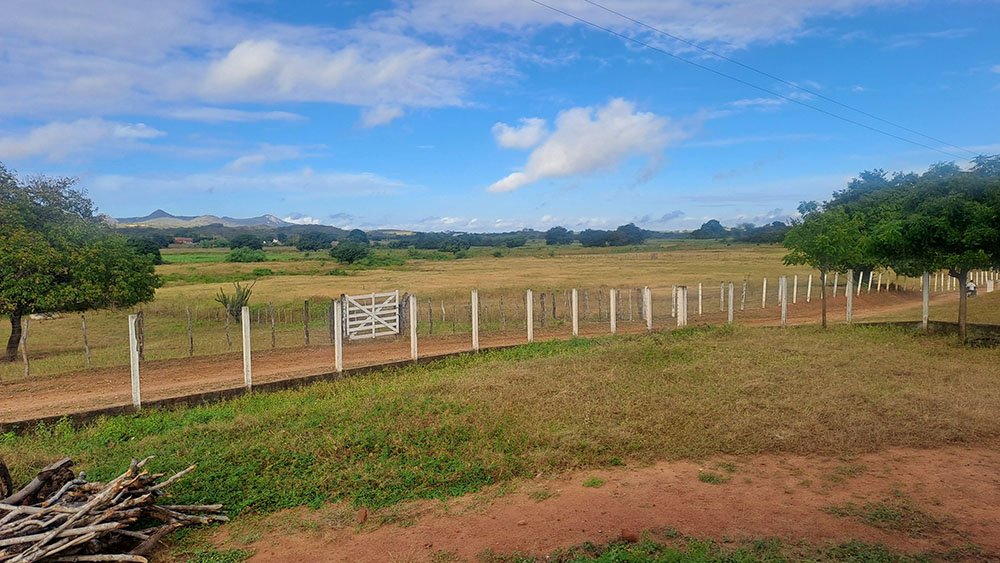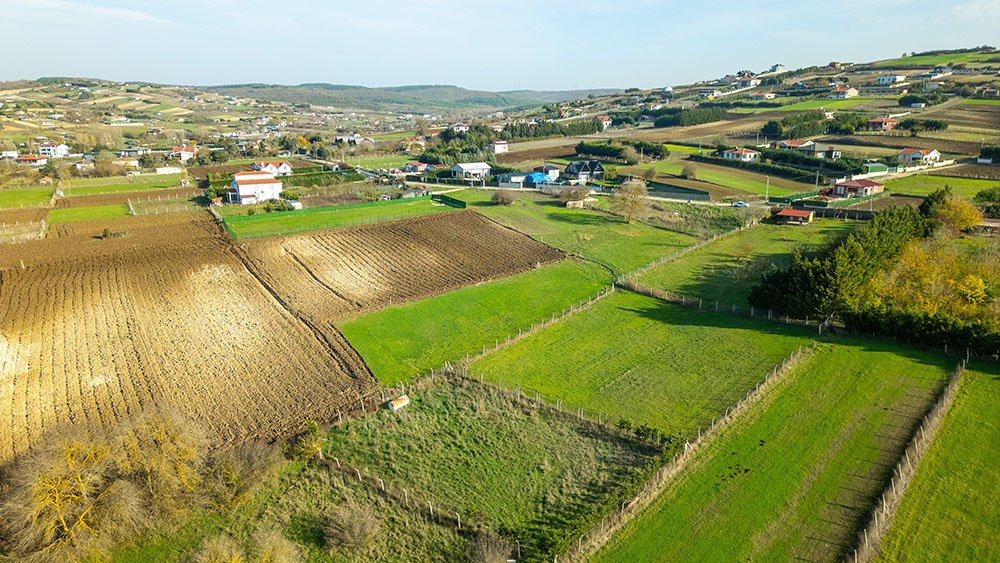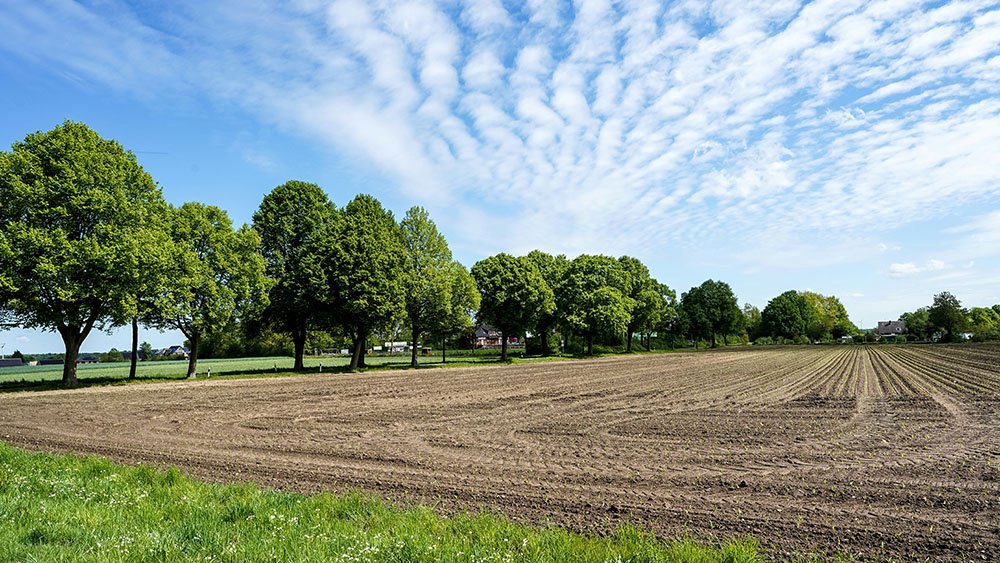
Agricultural land for sale in India attracts farmers, agricultural entrepreneurs, plantation owners, rural investors and buyers looking for land for long-term use. From farmland and orchards to plantation properties and cultivable agricultural plots, India offers many types of agricultural land across different states and regions.
However, buying agricultural land is different from buying an ordinary residential plot. Ownership eligibility, land-use classification, transfer restrictions, revenue records, irrigation, road access, tenancy rights and conversion rules can vary from one state to another.
This guide explains what buyers should know before purchasing agricultural land in India, including how to search for farmland, evaluate a property, verify documents, estimate the total cost and understand the risks involved.
What Is Agricultural Land?
Agricultural land is land classified or recorded for agricultural use under the applicable state land and revenue system.
Depending on location and classification, agricultural land may be used for activities such as:
- Crop cultivation
- Horticulture
- Orchards
- Plantations
- Vegetable farming
- Dairy-related agricultural activities
- Floriculture
- Agroforestry
- Livestock-related activities, where permitted
- Other agricultural purposes
The permitted use of a particular parcel depends on its classification and applicable local laws.
A buyer should not assume that agricultural land can automatically be converted into a farmhouse, residential property, resort, commercial development or industrial project.
Why Buy Agricultural Land in India?
Agricultural land can serve different purposes depending on the buyer's objectives.
1. Farming
Farmers may purchase additional land to expand cultivation, improve farm operations or consolidate nearby holdings.
2. Horticulture and Orchards
Land with suitable soil, water and climate can be used for fruit orchards, vegetables, flowers and other horticultural activities where permitted.
3. Plantation
Certain regions are suitable for plantations such as coffee, tea, spices, rubber, coconut or other crops depending on local climate and soil conditions.
4. Agricultural Business
Agricultural land can support activities such as nurseries, protected cultivation and other farm-related enterprises, subject to applicable permissions.
5. Long-Term Land Holding
Some buyers consider agricultural land as a long-term asset. However, land prices are not guaranteed to appreciate, and liquidity, legal restrictions and location-specific factors should be considered before treating farmland as an investment.
Where to Find Agricultural Land for Sale in India
Agricultural land is available across rural and semi-rural areas throughout India.
When searching for farmland, buyers can compare properties based on:
- State
- District
- Village
- Land area
- Asking price
- Price per acre
- Road access
- Water availability
- Soil conditions
- Existing cultivation
- Electricity availability
- Nearby markets
- Distance from towns
- Land classification
- Ownership documentation
Online marketplaces such as LandBazaar.in can make it easier to discover agricultural land listings across different locations and compare properties based on their available details.
An online listing should only be treated as the starting point. Buyers should physically inspect the property and independently verify its records before making a payment.
Types of Agricultural Land You May Find
Not every agricultural property is the same.
Cultivated Farmland
Land currently being used for crops may already have irrigation, fencing, farm roads or agricultural infrastructure.
Dry Agricultural Land
Dry or rain-fed farmland may depend heavily on seasonal rainfall. Its suitability for farming should be evaluated based on local climate, soil and water conditions.
Irrigated Agricultural Land
Irrigated land may have access to:
- Borewells
- Open wells
- Canals
- Tanks
- Farm ponds
- Other permitted irrigation sources
Verify whether the water source is legally available and whether it is reliable throughout the year.
Orchard Land
Orchards may contain established fruit trees. Buyers should determine:
- Tree age
- Crop variety
- Irrigation
- Annual maintenance
- Existing yield
- Ownership of trees
- Any agricultural agreements
Plantation Land
Plantation properties may contain crops such as coffee, tea, coconut, spices or rubber depending on the region.
Farmhouse or Agricultural Estate Land
Some properties are marketed as farmland with a farmhouse. Buyers must separately verify whether any existing structure was legally constructed and whether residential or other use is permitted.
How to Choose Agricultural Land
Buying farmland requires evaluating the land itself as well as the surrounding area.
1. Check the Location
Consider:
- Distance from the nearest town
- Access to agricultural markets
- Distance to highways
- Road quality
- Nearby villages
- Availability of farm labour
- Agricultural infrastructure
- Climate
- Local farming activity
A remote property may have a lower asking price but higher transportation and operating costs.
2. Evaluate Road Access
Good access is important for transporting:
- Seeds
- Fertilizers
- Farm equipment
- Labour
- Harvested crops
- Livestock, where applicable
Check whether the property has a legally established access road rather than relying only on a physical pathway.
3. Check Water Availability
Water is one of the most important factors when evaluating agricultural land.
Check:
- Borewell availability
- Well availability
- Canal access
- Rainfall
- Groundwater conditions
- Existing irrigation systems
- Water storage
- Seasonal water availability
Do not assume that an existing borewell guarantees an unlimited water supply.
4. Examine Soil Quality
Different crops require different soil conditions.
Consider getting a soil test to determine:
- Soil type
- pH
- Organic matter
- Nutrient levels
- Salinity
- Drainage
- Suitability for intended crops
A visually attractive property may not necessarily have the soil conditions required for your intended agricultural activity.
5. Check the Land Contour
Study whether the land is:
- Flat
- Sloping
- Rocky
- Low-lying
- Waterlogged
- Erosion-prone
The terrain can affect cultivation, irrigation and farm development costs.
Agricultural Land Price in India
There is no single price for agricultural land across India.
Prices vary dramatically based on:
- State
- District
- Village
- Distance from cities
- Road connectivity
- Irrigation
- Soil quality
- Land size
- Development around the property
- Land-use restrictions
- Nearby infrastructure
- Local demand
For this reason, buyers should compare agricultural land on a price-per-acre or other relevant unit basis rather than comparing only the total asking price.
For example, two properties may both cost ₹50 lakh, but one may offer 10 acres while another offers only 2 acres. Their location, productivity and legal characteristics may also be completely different.
Agricultural Land Investment: What Buyers Should Consider
Agricultural land is sometimes considered a long-term investment, but buyers should distinguish between land ownership and investment return.
Potential factors supporting demand can include:
- Proximity to growing towns
- Improved road connectivity
- Agricultural productivity
- Water availability
- Established farming activity
- Nearby infrastructure
- Limited availability of suitable land
At the same time, risks may include:
- Low liquidity
- State-specific purchase restrictions
- Land-use limitations
- Difficult resale
- Water shortages
- Disputes
- Poor road access
- Changes in local development plans
- Agricultural income uncertainty
Do not buy agricultural land solely on a promise that its value will increase because a road, airport, industrial park or city expansion project is supposedly coming nearby. Verify proposed infrastructure through appropriate government sources.
Check Whether You Are Eligible to Buy Agricultural Land
This is one of the most important issues in an agricultural-land transaction.
Agricultural land ownership and transfer rules are not uniform across India. Land administration falls primarily within the jurisdiction of the States, and different states can have different eligibility requirements and restrictions.
Depending on the state and circumstances, there may be rules relating to:
- Agricultural status
- Buyer eligibility
- Agriculturist status
- Landholding limits
- Tenancy
- Ceiling laws
- Tribal or protected land
- Assigned land
- Transfer restrictions
- Land-use conversion
Before paying an advance, verify the applicable rules with the relevant state revenue or registration authorities and, where appropriate, a local property lawyer.
Documents to Check Before Buying Agricultural Land
Document verification is essential.
Depending on the state and property, documents may include:
- Current sale deed
- Previous sale deeds
- Parent title documents
- Record of Rights
- Revenue records
- Mutation records
- Survey records
- Land map
- Pattadar passbook, where applicable
- Encumbrance Certificate
- Tax receipts
- Possession records
- Partition documents
- Gift or settlement deeds
- Inheritance documents
- Court orders
- Conversion orders, where applicable
- Relevant permissions and certificates
The Department of Land Resources is working with states and Union Territories to modernize and digitize land records, including Records of Rights and cadastral maps.
Verify the Seller's Ownership
Do not rely solely on the seller's statement that they own the land.
Check whether:
- Seller's name matches the records
- Survey number matches
- Land extent matches
- Boundaries match
- Previous title documents connect properly
- Mutation details are consistent
- There are co-owners
- There are legal heirs
- Any power of attorney is valid
- The seller has authority to transfer the property
If the land is inherited, determine whether all necessary heirs or legal representatives must participate in the transaction.
Check the Record of Rights
The Record of Rights, often known by different names in different states, can provide important information about the land and recorded interests.
Depending on the state, records may contain information relating to:
- Recorded owner
- Survey number
- Land area
- Land classification
- Tenancy
- Cultivation
- Revenue details
- Other recorded rights
Land records are often maintained in state-specific systems and may use local terminology.
The Department of Land Resources notes that Records of Rights are maintained by states and Union Territories and that digitization is being undertaken to improve access and transparency.
Verify the Survey Number and Land Area
The survey number is one of the most important identifiers of agricultural property.
Compare the survey number and extent across:
- Sale deed
- Revenue records
- Survey map
- EC
- Mutation records
- Physical survey
A discrepancy should be investigated before purchase.
Do not assume that a difference in acreage is simply a documentation error.
Conduct a Physical Land Survey
A professional survey can help determine whether the actual land corresponds with the recorded property.
Check:
- Boundary stones
- Survey lines
- Adjacent properties
- Encroachments
- Fencing
- Roads
- Water bodies
- Irrigation channels
- Actual land area
The Government of India's land-record modernization programme also includes digitization of cadastral maps and geo-referencing of land parcels.
The ULPIN, or Bhu-Aadhaar, initiative assigns a unique identification number to land parcels based on geo-referenced coordinates and cadastral information where implemented.
Check the Encumbrance Certificate
An Encumbrance Certificate can help identify certain registered transactions and liabilities affecting the property.
Check for:
- Mortgages
- Registered sale agreements
- Previous transactions
- Registered claims
- Other recorded encumbrances
However, an EC should not be treated as a complete substitute for a title search.
A property lawyer should review the relevant title chain and records, particularly for high-value transactions.
Check for Land Disputes
Agricultural land can sometimes be affected by:
- Family disputes
- Inheritance claims
- Partition disputes
- Boundary disputes
- Tenancy claims
- Possession disputes
- Mortgage claims
- Government acquisition
- Encroachments
- Access disputes
Ask the seller directly about pending disputes and independently verify available records.
If there is an unresolved legal issue, obtain professional advice before proceeding.
Check Whether the Land Is Mortgaged
Ask whether the property has ever been pledged to:
- Banks
- Cooperative societies
- Financial institutions
- Private lenders
If a mortgage exists, determine the procedure for releasing it before or as part of the transaction.
Do not assume that possession of an original document automatically proves that the property has no outstanding liability.
Check Agricultural Land Conversion Rules
Many buyers purchase agricultural land with the intention of eventually building a farmhouse, villa, resort, warehouse or other structure.
This requires particular caution.
Agricultural land cannot automatically be treated as residential or commercial land simply because it is located near a city.
Depending on the state and intended use, conversion or other permissions may be required.
Before buying for non-agricultural purposes, verify:
- Current land classification
- Permitted use
- Conversion requirements
- Local planning rules
- Building permissions
- Environmental restrictions
- Road-access requirements
Never rely solely on a broker's statement that "conversion will be easy."
Agricultural Land for Farmhouse Use
Farmhouse-related purchases require additional research.
Before buying, determine:
- Whether a farmhouse is permitted
- Maximum permissible construction
- Minimum land requirements
- Setback requirements
- Building permissions
- Agricultural-use conditions
- Water and sanitation requirements
- Local planning restrictions
Rules can vary substantially between states and local authorities.
Check Road and Access Rights
A property may appear to have road access but still have legal access issues.
Check:
- Public road connection
- Recorded access rights
- Width of access road
- Survey map
- Right of way
- Private road ownership
- Seasonal accessibility
A narrow agricultural pathway may not be sufficient for tractors, trucks or other farm equipment.
Check Electricity Availability
If electricity is important for agricultural operations, determine:
- Existing connection
- Meter availability
- Transformer distance
- Power supply reliability
- Connection feasibility
- Cost of extending infrastructure
Do not assume that an electricity line visible near the property means the land already has a legal connection.
Visit the Property Multiple Times
A single site visit may not reveal everything.
Visit during different conditions when possible.
Look at the property:
- During dry weather
- After rainfall
- During cultivation
- During harvest
- At different times of day
Observe:
- Waterlogging
- Road conditions
- Neighbouring activities
- Noise
- Drainage
- Water availability
- Electricity
- Encroachments
Understand Existing Tenants or Cultivators
Some agricultural properties may be cultivated by:
- Owners
- Tenants
- Sharecroppers
- Farm workers
- Leaseholders
- Other occupants
Before purchasing, determine whether anyone other than the seller has possession or cultivation rights.
Tenancy and cultivation rights can be subject to state-specific laws, so obtain legal advice where necessary.
Calculate the Total Cost of Buying Agricultural Land
The advertised land price is not necessarily the complete cost.
Potential expenses can include:
- Sale price
- Stamp duty
- Registration fee
- Legal verification
- Survey charges
- Documentation charges
- Brokerage
- Loan processing
- Mutation-related charges
- Fencing
- Land clearing
- Borewell
- Irrigation
- Electricity connection
- Farm road development
- Agricultural equipment
- Initial cultivation expenses
Prepare a complete budget before committing to the purchase.
How to Buy Agricultural Land in India: Step-by-Step
Step 1: Define Your Purpose
Decide whether you want the land for:
- Farming
- Horticulture
- Plantation
- Agricultural business
- Long-term holding
- Other permitted agricultural activities
Step 2: Select the Location
Compare villages, districts and regions based on:
- Soil
- Water
- Climate
- Connectivity
- Agricultural activity
- Market access
Step 3: Check Buyer Eligibility
Confirm whether you are legally eligible to purchase the specific agricultural land under the applicable state rules.
Step 4: Shortlist Properties
Compare:
- Acreage
- Price
- Location
- Road access
- Water
- Land quality
- Documentation
Step 5: Visit the Property
Physically inspect the land and surrounding area.
Step 6: Verify Documents
Conduct title and land-record verification before paying a significant advance.
Step 7: Conduct a Survey
Confirm boundaries and actual area.
Step 8: Negotiate the Price
Base negotiations on comparable properties and the actual characteristics of the land.
Step 9: Sign the Agreement
Document the agreed terms, payment schedule and conditions.
Step 10: Prepare the Sale Deed
Ensure the property description and ownership details are accurate.
Step 11: Pay Applicable Charges
Calculate applicable stamp duty and registration fees according to the relevant state rules.
Step 12: Register the Transaction
Complete registration with the appropriate authority.
Step 13: Update Land Records
Apply for mutation or other applicable record updates.
Step 14: Take Possession
Confirm the land boundaries and possession after completion of the transaction.
Agricultural Land Investment: Advantages and Risks
Agricultural land can offer opportunities for buyers interested in farming and long-term ownership, but it also carries specific risks.
Potential Advantages
- Physical asset
- Potential agricultural use
- Possibility of farm income
- Long-term holding opportunity
- Scope for horticulture or plantation
- Potential demand near expanding areas
Potential Risks
- State-specific purchase restrictions
- Limited liquidity
- Water dependency
- Agricultural income uncertainty
- Legal disputes
- Boundary problems
- Land-use restrictions
- Poor access
- High development costs
- Environmental or zoning restrictions
A buyer should evaluate the property according to their own intended use rather than assuming that every agricultural property will perform similarly.
How LandBazaar.in Can Help You Find Agricultural Land
LandBazaar.in can serve as an online marketplace where buyers can discover agricultural land listings across different parts of India.
Buyers can search for properties based on information such as:
- State
- District
- City or village
- Land area
- Price
- Agricultural category
- Location
- Seller information
- Road access
- Other listing details
For landowners, an online listing can provide a way to showcase agricultural properties to buyers beyond their immediate local network.
For buyers, the platform can help with the initial property-discovery stage before moving on to physical inspection and legal verification.
Agricultural Land Buying Checklist
Before purchasing farmland, check the following:
- Buyer eligibility verified
- Seller identity verified
- Ownership documents reviewed
- Parent documents checked
- Record of Rights checked
- Mutation records checked
- Survey number verified
- Land extent verified
- Boundaries verified
- Physical survey completed
- Encumbrance Certificate checked
- Mortgage status verified
- Pending disputes checked
- Government acquisition status checked
- Land classification confirmed
- Conversion requirements checked
- Road access verified
- Water availability checked
- Electricity availability checked
- Soil tested
- Existing tenants or cultivators identified
- Sale agreement reviewed
- Stamp duty calculated
- Registration charges calculated
- Sale deed reviewed
- Registration completed
- Mutation initiated
- Possession confirmed
Frequently Asked Questions
Is agricultural land a good investment?
Agricultural land can be useful as a farming asset or long-term landholding, but its suitability as an investment depends on location, legal restrictions, agricultural productivity, water availability, market demand and the buyer's objectives. There is no guaranteed return.
Can anyone buy agricultural land in India?
Not necessarily. Eligibility and transfer restrictions vary by state and may depend on the nature of the land and the buyer. Check the applicable state rules before entering into a transaction.
Can agricultural land be converted into residential land?
In some circumstances, conversion may be possible, but the process and eligibility depend on state and local regulations. Never assume conversion is automatic.
What documents should I check before buying agricultural land?
Common documents include the title deed, previous ownership documents, Record of Rights, mutation records, survey records, land map, Encumbrance Certificate and applicable permissions. The exact requirements vary by state.
How can I check agricultural land ownership?
Review the registered title documents and relevant state revenue records. Compare the seller's identity, survey number, land extent and boundaries across the available records.
Should I get a survey done before buying farmland?
Yes. A physical survey can help confirm the actual boundaries and area and identify potential discrepancies or encroachments.
Can I buy agricultural land near a city?
You can find agricultural land near many cities, but proximity to a city does not automatically change its legal classification or make it suitable for residential or commercial development.
Can I build a farmhouse on agricultural land?
That depends on the applicable state and local rules. Verify whether such construction is permitted and whether specific permissions or conversion are required.
How do I find agricultural land for sale in India?
You can search online property marketplaces such as LandBazaar.in, contact local landowners or brokers, and explore properties through local networks. Regardless of how you find the property, conduct independent legal and physical verification before purchasing.
Conclusion
Finding agricultural land for sale in India can open opportunities for farming, horticulture, plantations and long-term land ownership. However, agricultural land purchases require careful attention to eligibility, ownership, land records, water, soil, road access, land classification and state-specific regulations.
Before purchasing farmland, do not rely solely on an online advertisement, broker or seller's assurances. Verify the title and revenue records, physically inspect the property, conduct a survey and obtain professional legal advice where necessary.
LandBazaar.in can help buyers discover agricultural land for sale across different locations and give landowners an online platform to showcase their properties.
The Department of Land Resources emphasizes modernization and digitization of land records to improve transparency and reduce disputes, while land administration itself remains primarily within the States' domain. Therefore, always check the current rules and records applicable to the particular state and property before completing a transaction.
Important: Agricultural land ownership, transfer eligibility, tenancy, land ceiling, conversion, registration, taxation and development rules vary across Indian states and local authorities. This article is for general information and should not be treated as legal, financial or investment advice. Consult a qualified local property lawyer and relevant government authority before purchasing agricultural land.