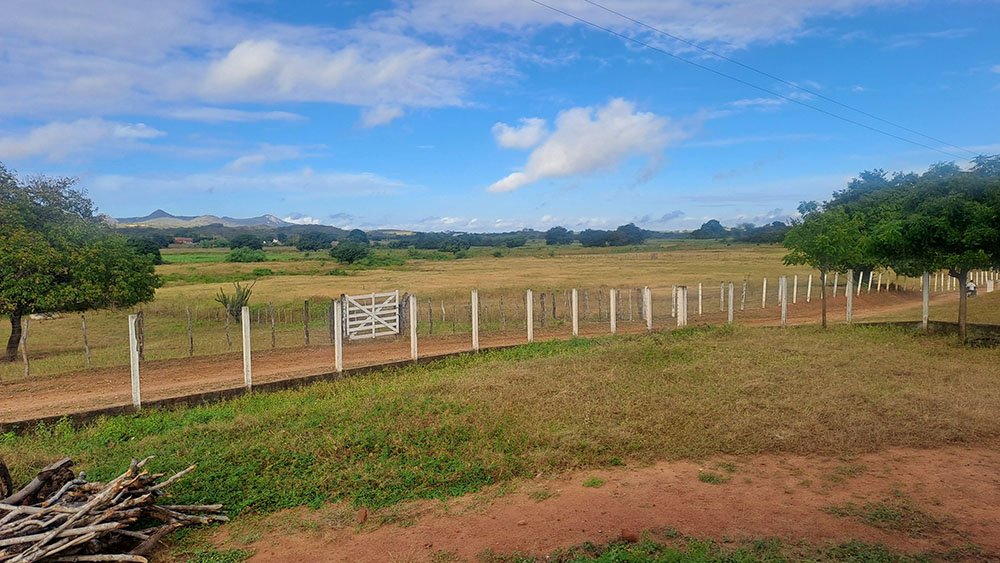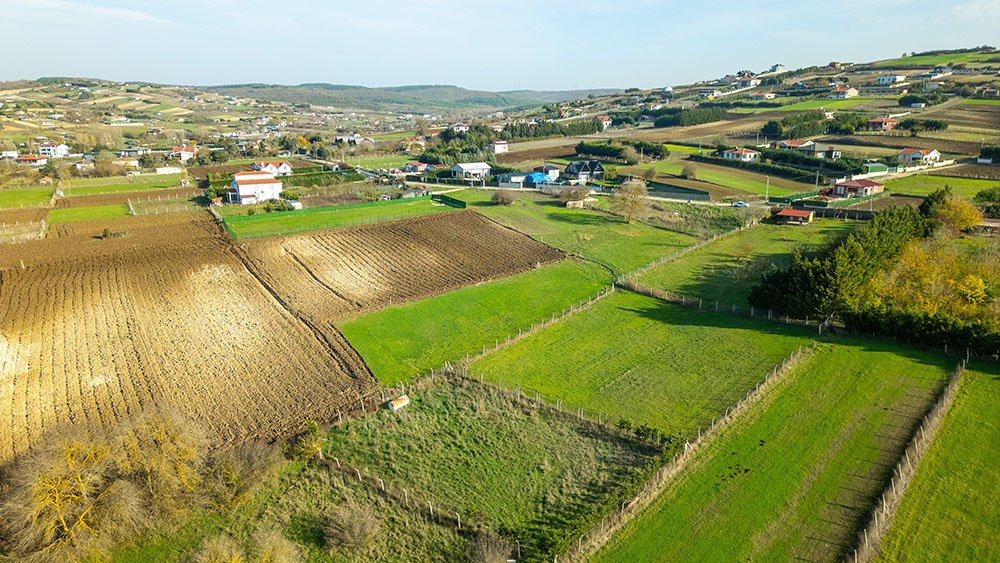
Land investment in India is considered by many buyers for long-term ownership, business use, development opportunities and wealth preservation. Land can be purchased in many forms, including agricultural land, residential plots, commercial plots, industrial land, highway-side land and larger undeveloped parcels.
However, buying land is very different from simply purchasing an asset based on its location or future potential. The legal title, land-use classification, access, survey boundaries, development restrictions, infrastructure and total acquisition cost can all affect the practical value of a property.
For anyone considering land investment in India, the most important step is proper due diligence before committing money. The Government of India's Digital India Land Records Modernization Programme (DILRMP) aims to modernize land records, improve transparency and reduce the scope for land and property disputes. Land administration itself remains primarily within the domain of states and Union Territories, so the exact records and procedures vary by location.
LandBazaar.in can help buyers discover land opportunities across different categories and locations. However, an online listing should be treated as the starting point of the investment process rather than proof of ownership, legality or future value.
What Is Land Investment?
Land investment means purchasing a parcel of land with the intention of holding, using, developing or eventually selling it.
Unlike an apartment or commercial building, vacant land generally does not provide a physical structure that generates value through occupancy. Its potential depends heavily on factors such as:
- Location
- Land size
- Accessibility
- Legal title
- Land-use classification
- Infrastructure
- Surrounding development
- Development permissions
- Market conditions
- Purchase price
Land investments can range from small residential plots to large agricultural or commercial parcels.
Types of Land That Can Be Considered for Investment
1. Residential Plots
Residential plots are generally intended for housing development where permitted.
They may include:
- Individual house plots
- Villa plots
- Gated-community plots
- Residential layouts
- Urban residential plots
Buyers should verify the applicable residential zoning and layout approvals before purchasing.
2. Agricultural Land
Agricultural land is primarily associated with farming and agricultural activity.
Some buyers consider agricultural land because larger parcels may be available outside cities. However, agricultural land should not be treated as automatically suitable for residential or commercial development.
Conversion and development rules vary by state.
3. Commercial Plots
Commercial plots may be suitable for permitted activities such as:
- Shops
- Showrooms
- Offices
- Restaurants
- Hotels
- Commercial buildings
The applicable zoning and development rules must be verified.
4. Industrial Land
Industrial land may be considered for manufacturing, warehousing, logistics and other industrial activities where permitted.
Buyers should check industrial zoning, environmental requirements and infrastructure availability.
5. Highway Land
Land near highways can attract businesses requiring road connectivity.
However, highway frontage does not automatically mean direct legal access to the highway. Buyers should independently verify access, right-of-way and applicable road-authority requirements.
6. Large Land Parcels
Large parcels may be considered for:
- Agriculture
- Warehousing
- Industrial development
- Institutional projects
- Hospitality
- Other permitted development
The larger the parcel, the more important professional survey and title verification can become.
Why Do People Consider Land Investment in India?
There are several reasons buyers consider land as part of their property strategy.
Long-Term Ownership
Some buyers prefer holding a physical land asset for an extended period.
Development Potential
A plot may potentially be developed later, subject to zoning and permissions.
Business Use
Land can be acquired for a future business, warehouse, office, factory, hotel or other permitted activity.
Portfolio Diversification
Some investors include real estate alongside other asset classes.
Location-Based Opportunity
Land in developing areas may attract buyers interested in future infrastructure and urban expansion.
However, future development should never be assumed. A proposed road, metro line, industrial corridor or commercial zone should be verified through reliable official sources before being treated as an investment factor.
Benefits of Land Investment
1. Physical Asset
Land is a tangible asset with a specific physical location and identifiable parcel boundaries.
2. Flexible Future Use
Depending on its legal classification and applicable regulations, land may potentially be used for different purposes over time.
3. No Building Depreciation
Vacant land does not experience physical building depreciation because there is no building component.
However, this does not mean that land value always increases.
4. Development Opportunity
A buyer may eventually develop the property if the applicable land-use and planning rules permit it.
5. Potential for Long-Term Value Growth
Some locations may experience changes in infrastructure, population, commercial activity and development that affect land demand.
But appreciation is not guaranteed.
6. Low Routine Maintenance Compared With Built Property
Vacant land may require less day-to-day maintenance than a building, although owners may still need to manage fencing, security, taxes, vegetation, access and other property-related matters.
Risks of Land Investment in India
Land can also carry significant risks.
1. Title Problems
Ownership disputes, incomplete title chains, inheritance claims or conflicting records can create serious problems.
The Supreme Court has emphasized that registration of a document does not itself amount to conclusive proof of ownership under India's presumptive title system, highlighting the importance of title due diligence.
2. Land Disputes
A property may be affected by:
- Family disputes
- Boundary disputes
- Ownership claims
- Court cases
- Government claims
- Mortgage claims
- Acquisition proceedings
The Department of Land Resources specifically identifies land disputes as a significant area of litigation and is working toward greater integration of land records, registration information and court data.
3. Illiquidity
Land may take time to sell.
Unlike some financial assets, there is no guarantee that a buyer will be immediately available at the price you want.
4. Wrong Location
A cheap plot in an unsuitable location may remain difficult to sell or develop.
5. Access Problems
A parcel may have no practical or legally established road access.
6. Land-Use Restrictions
A property advertised for a particular purpose may not legally permit that use.
7. Encroachments
Neighbouring owners or other parties may occupy portions of the property.
8. Infrastructure Delays
A location may be marketed based on expected roads, utilities or other infrastructure that may be delayed or changed.
9. Fraudulent Listings or Documents
Buyers need to independently verify seller identity, ownership and property documentation.
10. Unexpected Costs
Stamp duty, registration, legal fees, development costs and other expenses can significantly increase the total acquisition cost.
How to Evaluate Land Before Investing
A good land-investment analysis should go beyond the asking price.
Consider the following:
Location + Legal Status + Access + Land Use + Infrastructure + Market Demand + Total Cost
Each factor matters.
1. Evaluate the Location
Study:
- City
- District
- Locality
- Nearby towns
- Major roads
- Public transport
- Employment centres
- Industrial areas
- Educational institutions
- Hospitals
- Retail areas
- Existing residential development
But do not confuse proximity with guaranteed future appreciation.
2. Check Current Development
Visit the surrounding area and determine what actually exists.
Look for:
- Completed roads
- Occupied buildings
- Active businesses
- Residential communities
- Schools
- Hospitals
- Industrial units
- Public infrastructure
Actual development is generally more useful for evaluation than verbal promises about future development.
3. Study Future Infrastructure Carefully
Potential infrastructure can influence a location, but verify claims through appropriate government or planning sources.
Examples include:
- New roads
- Highway expansions
- Metro projects
- Railway projects
- Airports
- Industrial corridors
- New business districts
- Planned townships
Do not pay a premium merely because a broker says that a major project is "coming soon."
4. Verify Land Ownership
Ask the seller to provide the relevant ownership documents.
Depending on the state and property, these can include:
- Sale deed
- Parent documents
- Record of Rights
- Mutation records
- Survey records
- Partition deed
- Gift deed
- Inheritance documents
The exact records differ by state.
The Department of Land Resources states that digitized land records can include information such as ownership, area, land type and transactions or encumbrances, while access and procedures are handled through state/UT systems.
5. Verify the Title Chain
A current sale deed should not be the only document examined.
Review previous ownership transfers to establish how the current seller obtained the property.
A property lawyer can conduct a title search and identify potential gaps or competing claims.
This is one of the most important steps in land investment.
6. Check Encumbrances
Determine whether the property has:
- Mortgage
- Bank charge
- Lease
- Court attachment
- Family claim
- Government claim
- Other registered interests
Obtain the relevant encumbrance and registration records applicable to the property.
7. Verify Survey Number and Boundaries
Match the documents with the physical property.
Check:
- Survey number
- Subdivision number
- Area
- Boundaries
- Dimensions
- Cadastral map
Where appropriate, engage a qualified surveyor.
8. Inspect the Land Personally
Never rely entirely on photographs.
Visit the site and inspect:
- Road access
- Boundaries
- Neighbouring properties
- Encroachments
- Drainage
- Ground conditions
- Electricity
- Water
- Existing structures
- Surrounding development
A second visit at a different time can also reveal traffic, access or neighbourhood conditions that may not be obvious during the first visit.
Land Investment and Land-Use Classification
One of the most common mistakes is assuming that every parcel can be used for any purpose.
A property may be classified as:
- Agricultural
- Residential
- Commercial
- Industrial
- Institutional
- Mixed-use
- Other designated categories
The permitted use depends on the applicable state and local planning framework.
If you buy agricultural land expecting to construct commercial buildings, for example, you must first determine whether conversion and other approvals are possible and what conditions apply.
Understanding ULPIN or Bhu-Aadhaar
ULPIN, or Bhu-Aadhaar, is a 14-digit Unique Land Parcel Identification Number based on the geographic coordinates of a parcel and georeferenced cadastral maps.
The Department of Land Resources says ULPIN is intended to provide standardized and unambiguous identification of land parcels and support land administration and property transactions.
However, implementation varies by state. The current central-government information lists ULPIN as rolled out in 29 states/UTs and pilot tested in Telangana, among other locations.
Therefore, investors should check the applicable state system rather than assuming that every property has an operational ULPIN.
How Much Money Do You Need for Land Investment?
There is no fixed minimum amount required to invest in land.
The purchase budget depends on:
- Location
- Plot size
- Land category
- Road access
- Development level
- Demand
- Title quality
- Zoning
- Infrastructure
Instead of asking only:
"How much does the land cost?"
calculate:
Total Acquisition Cost = Purchase Price + Transaction Costs + Legal Costs + Development Costs + Other Applicable Charges
Additional Costs of Buying Land
Potential expenses include:
- Stamp duty
- Registration charges
- Legal due diligence
- Survey charges
- Brokerage
- Documentation charges
- Conversion charges where applicable
- Development charges
- Infrastructure charges
- Property taxes
- Fencing
- Site levelling
- Utility connections
The exact charges vary by state and transaction.
How to Calculate the Real Cost of a Land Investment
Suppose a property is advertised at ₹50 lakh.
The actual investment may include:
Cost ComponentAmountLand purchase price₹50,00,000Stamp dutyDepends on locationRegistrationDepends on locationLegal verificationDepends on professionalSurveyDepends on propertyBrokerageIf applicableSite developmentDepends on landFencingDepends on propertyOther chargesAs applicable
The important point is that the advertised land price is not necessarily the total investment required.
Land Investment vs Built Property
FactorLandBuilt PropertyPhysical structureUsually noneBuilding existsMaintenanceGenerally lowerUsually higherRental incomeUsually none from vacant landMay generate rentDevelopmentMay be possibleExisting structureLiquidityCan varyCan varyLegal checksTitle, land use, accessTitle plus building-related checksConstruction riskFuture construction may be requiredExisting building condition mattersValue driversLocation, land, use, demandLand + building + condition + use
Neither category is automatically suitable for every investor.
Land Investment for Long-Term Holding
Some buyers purchase land with the intention of holding it for several years.
A long-term land strategy should consider:
- Location quality
- Legal clarity
- Holding costs
- Accessibility
- Development trends
- Potential future use
- Resale market
However, a long holding period does not eliminate the need for due diligence.
A legally problematic or inaccessible property can remain problematic regardless of how long it is held.
Land Investment Near Growing Cities
Land around expanding cities often attracts investors.
Potential factors include:
- Population growth
- New housing
- Employment centres
- Industrial development
- Roads
- Public transport
- Commercial activity
But investors should distinguish existing development from speculative future development.
A location described as "future city" or "upcoming IT hub" should be investigated through reliable sources before influencing the purchase decision.
Land Investment in Rural Areas
Rural land may offer larger parcels and different price levels compared with urban areas.
However, investors should pay particular attention to:
- Road access
- Land classification
- Water availability
- Agricultural restrictions
- Ownership records
- Boundaries
- Local development rules
- Resale demand
A low purchase price does not necessarily mean a low-risk investment.
Land Investment in Outskirts
Urban outskirts can combine relatively undeveloped land with expanding infrastructure.
Before buying, check:
- Actual road development
- Nearby construction
- Legal layout status
- Zoning
- Utility availability
- Drainage
- Access
- Distance to established development
Avoid purchasing solely because a location is described as being "next to the city."
Common Land Investment Strategies
Buy and Hold
Purchase land and hold it for a longer period.
The strategy depends heavily on the quality of the property and the eventual resale market.
Buy and Develop
Purchase land and construct a permitted property.
This requires additional capital, planning and approvals.
Buy for Business Use
Acquire land for an existing or future business requirement.
This may include:
- Warehouse
- Office
- Retail
- Factory
- Hotel
- Restaurant
Buy for Personal Future Use
Some buyers purchase residential plots for a future home.
This is different from purely speculative investing because the buyer may eventually use the property.
How to Compare Land Investment Opportunities
Create a property comparison table before choosing between multiple plots.
FactorProperty AProperty BProperty CLocationLand typePlot sizePricePrice per unit areaRoad accessLand useTitle statusEncumbrancesInfrastructureDevelopmentDocumentationTotal acquisition costResale considerations
This encourages a structured comparison instead of focusing only on the advertised price.
Important Documents for Land Investment
Before purchasing, review the documents applicable to the specific property.
Ownership Documents
- Current sale deed
- Previous sale deeds
- Parent documents
- Gift deed, if applicable
- Partition deed, if applicable
- Inheritance documents, if applicable
Land Records
- Record of Rights
- Mutation records
- Survey records
- Cadastral map
- Land classification records
Registration Records
- Encumbrance-related records
- Registered transactions
- Mortgage/charge information
Planning Documents
- Zoning information
- Layout approval where applicable
- Conversion documents where applicable
- Development permissions
The Department of Land Resources also publishes model property-registration documents, including model sale deed and agreement-to-sell formats, but actual transaction requirements vary by state and transaction.
Why Physical Verification Matters
Documents alone are not enough.
The actual property should be compared against the records.
Check whether:
- The land exists as described.
- The area matches.
- Boundaries match.
- The access road exists.
- Neighbours respect the boundaries.
- There are encroachments.
- The land is being used differently from the records.
- There are visible disputes over possession.
A professional survey can be particularly useful for larger or irregular parcels.
Red Flags in Land Investment
Be cautious when you encounter:
"Guaranteed Appreciation"
No seller can guarantee future market value.
"Government Project Coming Soon"
Ask for official evidence rather than relying on verbal claims.
"Immediate Registration"
Urgency should not replace due diligence.
"No Documents Needed"
Proper property transactions require appropriate documentation.
"Very Low Price"
Investigate why the property is significantly cheaper than comparable properties.
"Highway Touch"
Verify actual highway boundaries and legal access.
"Approved Layout"
Ask which authority approved it and verify the approval independently.
"Clear Title"
Obtain and independently examine the relevant title records rather than relying only on the statement.
"Only Token Advance Today"
Do not allow urgency to prevent legal verification.
How to Avoid Land Investment Fraud
Verify the Seller
Confirm the seller's identity and authority to sell.
Verify Original Documents
Where appropriate, inspect original documents or properly authenticated records.
Cross-Check Government Records
Use the relevant state land-record and registration systems.
Conduct Legal Due Diligence
Have a property lawyer examine the title chain.
Survey the Property
Confirm the physical parcel.
Check Court and Dispute Information
Search appropriate court and revenue records where applicable.
The Government's land-record modernization initiatives increasingly focus on connecting land records, registration databases and court information to improve transparency around disputes.
Should You Buy Land With a Loan?
Land financing can differ from financing a completed residential property.
Loan eligibility, interest rates, permitted land categories and lender conditions vary by institution and property type.
Before planning a purchase using borrowed money, compare:
- Loan amount
- Interest rate
- Tenure
- Processing fees
- Eligibility
- Permitted land use
- Repayment obligation
- Total interest cost
Do not assume that every type of land is eligible for the same financing options.
Should You Buy Land for Future Appreciation?
Future appreciation is uncertain.
Instead of trying to predict a specific future price, evaluate measurable factors such as:
- Current location
- Existing infrastructure
- Accessibility
- Land-use status
- Development activity
- Legal clarity
- Comparable transactions
- Purchase price
- Resale demand
This provides a more structured basis for evaluating a property than relying on a promised future return.
Land Investment Checklist
Before buying land, verify:
Location
☐ Exact location confirmed
☐ Road access checked
☐ Surrounding development inspected
☐ Infrastructure evaluated
☐ Future-project claims independently checked
Ownership
☐ Seller identity verified
☐ Current ownership verified
☐ Title chain reviewed
☐ Previous documents checked
Land Records
☐ Survey number verified
☐ Area verified
☐ Boundaries verified
☐ Record of Rights checked
☐ Mutation checked
☐ Cadastral map checked
Legal
☐ Encumbrances checked
☐ Mortgage checked
☐ Court disputes checked
☐ Acquisition issues checked
☐ Third-party rights checked
Land Use
☐ Classification verified
☐ Zoning checked
☐ Proposed use confirmed
☐ Conversion requirements checked
Physical
☐ Site inspected
☐ Survey completed where appropriate
☐ Access confirmed
☐ Encroachments checked
☐ Drainage checked
☐ Utilities checked
Financial
☐ Purchase price evaluated
☐ Stamp duty estimated
☐ Registration estimated
☐ Legal fees estimated
☐ Development costs considered
☐ Holding costs considered
How LandBazaar.in Can Help With Land Investment
LandBazaar.in can be used as a marketplace to discover land opportunities across different categories and locations in India.
Depending on the available listing information, buyers can compare:
- Land type
- Location
- Plot size
- Asking price
- Road connectivity
- Property description
- Seller information
For investors, this can make the initial property-discovery stage easier.
However, LandBazaar.in should not be considered a substitute for:
- Title verification
- Legal advice
- Government records
- Property surveys
- Zoning verification
- Financial advice
- Physical inspection
The buyer remains responsible for independently verifying the property before entering into a transaction.
Frequently Asked Questions About Land Investment in India
Is land investment safe in India?
Land investment involves legal, market, liquidity and development risks. The risk level depends on the specific property, its title, location, land use, access, price and documentation.
Is land a good long-term investment?
Land can serve different purposes for different buyers, including long-term ownership and future development. However, appreciation is not guaranteed, and each property should be evaluated individually.
Which type of land is best for investment?
There is no single type that is suitable for every buyer. Residential, commercial, agricultural, industrial and other land categories have different legal requirements, costs, uses and risks.
What should I check before buying land?
Check ownership, title history, land records, survey details, boundaries, encumbrances, land-use classification, access, zoning, development restrictions and the total acquisition cost.
Can agricultural land be used for construction?
Not automatically. The applicable state and local rules may require conversion or other permissions depending on the proposed use.
Does registration guarantee ownership?
Registration of a transaction does not by itself provide conclusive proof of title under India's presumptive title system. Proper title due diligence remains important.
What is ULPIN?
ULPIN, or Bhu-Aadhaar, is a unique land parcel identification number based on geographic coordinates and georeferenced cadastral maps. Its implementation varies across states and UTs.
Should I buy land in an upcoming area?
An upcoming area may offer opportunities, but future development is uncertain. Verify actual infrastructure, planning status, land use, access and market conditions before making a decision.
How do I check whether land has a dispute?
Review relevant land, registration and court/revenue records and obtain professional legal advice. Government initiatives are increasingly working toward integrating land and court information, but the exact availability of records varies by jurisdiction.
What are the biggest risks of land investment?
Major risks can include unclear title, disputes, encumbrances, poor access, incorrect land-use assumptions, encroachments, development restrictions, low resale demand and unexpected costs.
Can I find land investment opportunities on LandBazaar.in?
LandBazaar.in can help buyers discover land listings across different categories and locations. Buyers should independently verify all property information and documents before purchasing.
Final Thoughts on Land Investment in India
Land investment can involve substantial capital and long holding periods, making due diligence especially important.
A good land-investment evaluation should not be based only on:
"The location will develop."
Instead, examine:
Title + Land Records + Location + Access + Land Use + Infrastructure + Price + Total Cost + Resale Considerations
India's DILRMP continues to modernize land records, registration systems, cadastral maps and related land-information infrastructure. The Department of Land Resources has also published DILRMP 3.0 operational guidelines for 2026–2031.
For a buyer, these systems can make property information more accessible, but they do not eliminate the need for property-specific verification.
Before buying any land, conduct appropriate legal, financial and physical due diligence. A qualified property lawyer and survey professional can be particularly valuable for significant transactions.
For discovering potential properties, LandBazaar.in can serve as a starting point for comparing land listings across India. The final decision should be based on verified property information rather than advertising claims or assumptions about future appreciation.