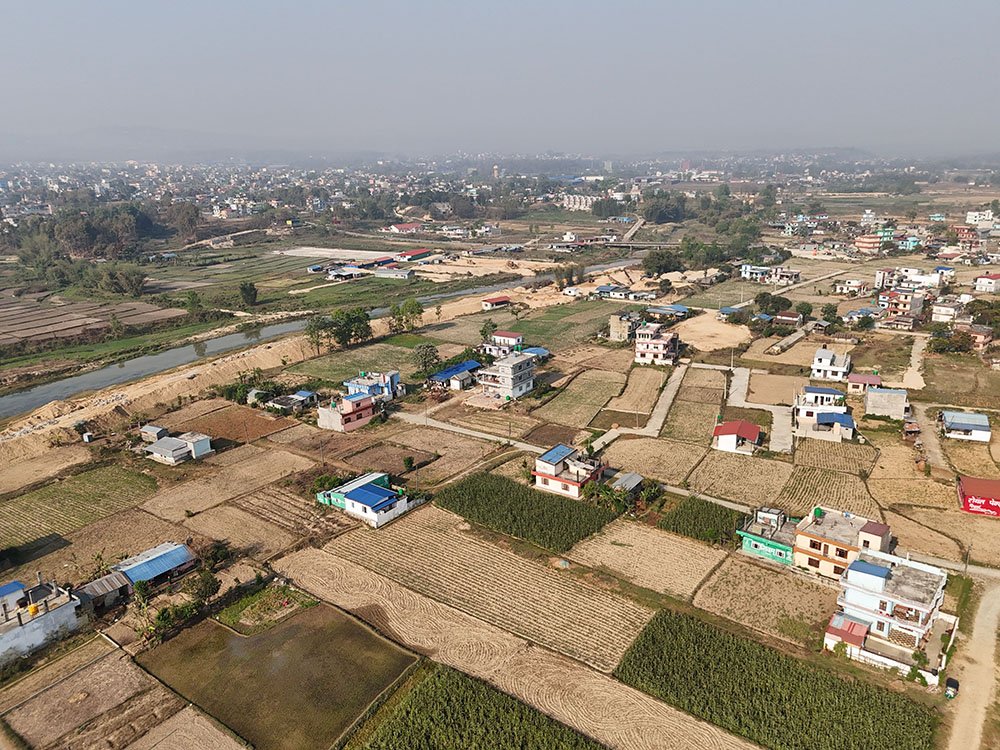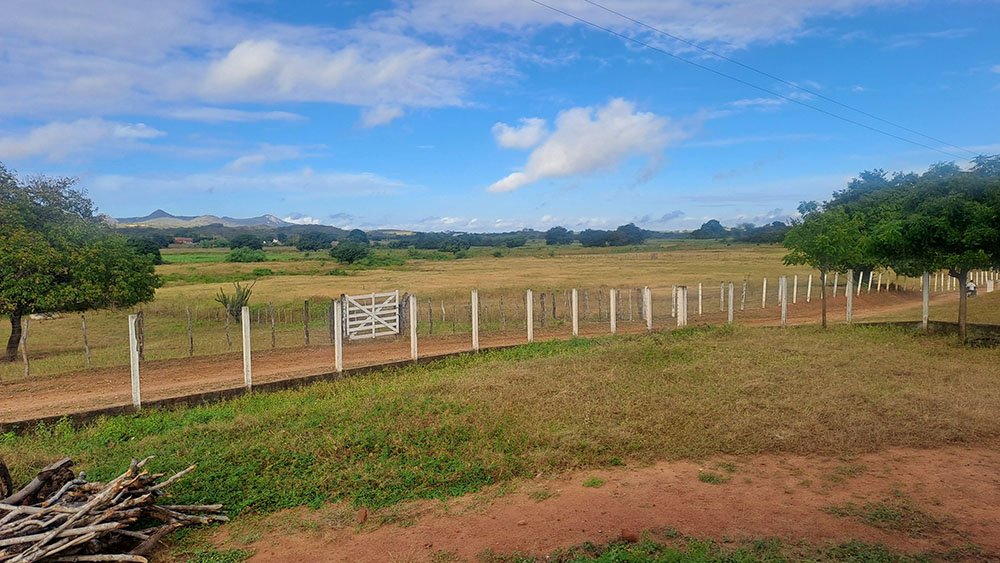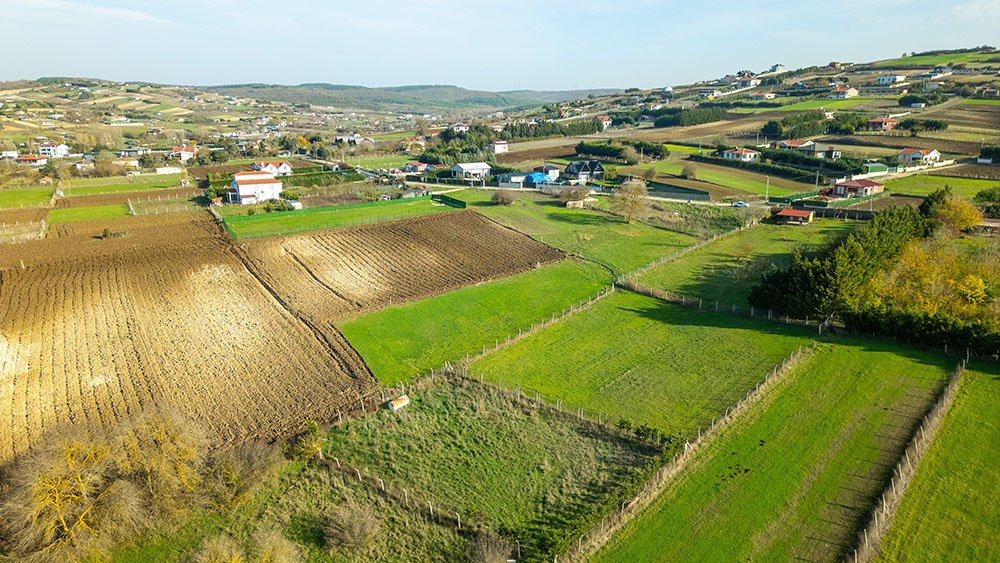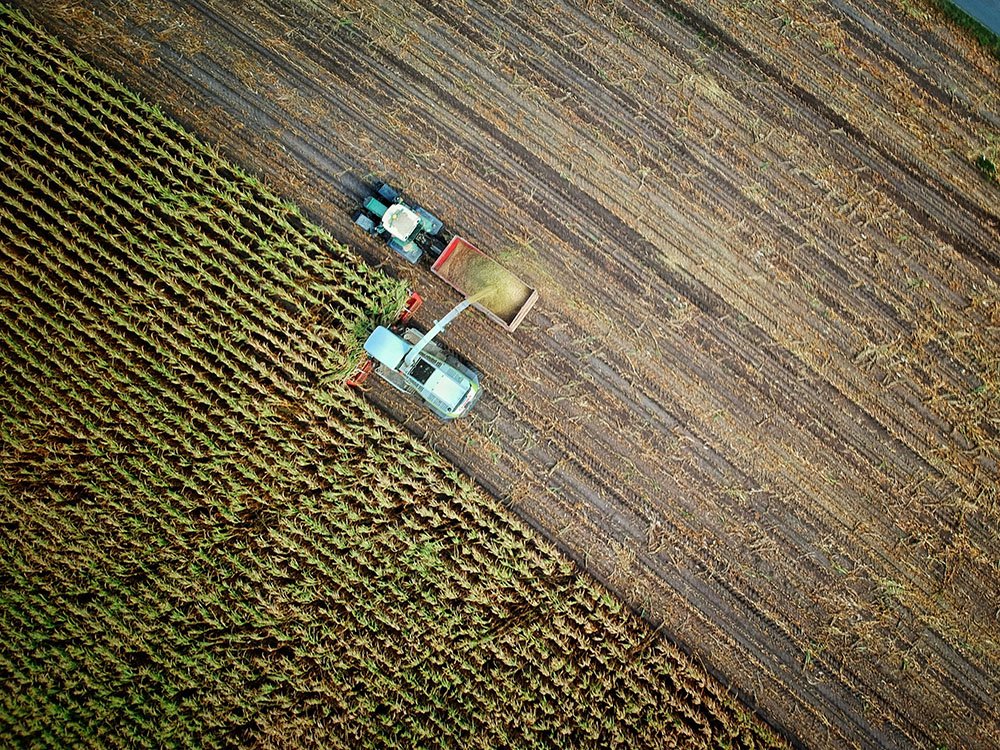
Agricultural land and farmhouse land are often used interchangeably in Indian real estate listings, but they are not necessarily the same thing. This distinction is important for anyone searching for agricultural land or farmhouse land for sale in India, especially if the intention is to construct a farmhouse, cultivate crops, create an orchard, or use the property as a weekend retreat.
In simple terms, agricultural land refers to land classified or used for agricultural purposes, while farmhouse land generally refers to agricultural or rural land associated with a farmhouse or a proposed farmhouse use. However, owning agricultural land does not automatically give the owner unrestricted permission to construct a residential farmhouse.
Land-use classification, construction permissions, minimum plot or parcel requirements, conversion rules, zoning regulations and other restrictions can vary significantly between states and local authorities.
Before purchasing land for a farmhouse, buyers should therefore verify both the land records and the rules governing construction on that particular property.
Agricultural Land vs Farmhouse Land at a Glance
FactorAgricultural LandFarmhouse LandBasic meaningLand classified/used for agricultureLand marketed or intended for farmhouse-related usePrimary purposeFarming, cultivation, horticulture and related activitiesAgriculture combined with permitted farmhouse/residential or recreational useConstructionSubject to applicable rulesSubject to specific farmhouse/building rulesLand conversionMay be required for certain non-agricultural usesDepends on the proposed use and local rulesFarming activityGenerally central to its useMay be expected or permitted depending on regulationsLocationRural, semi-rural or other agricultural zonesUsually rural, peri-urban or agricultural areasBuilding permissionDepends on land-use and local regulationsRequired where applicablePurchase restrictionsCan vary by stateCan vary by state and land classificationMain due diligenceTitle, classification, access and agricultural restrictionsAll agricultural checks plus farmhouse construction/use rules
The table is a general comparison. The legal meaning of "farmhouse land" is not uniform across India, so buyers should always check the rules applicable to the specific state and property.
What Is Agricultural Land?
Agricultural land is land that is classified, recorded or used for agricultural purposes under the applicable state land and revenue framework.
Agricultural activities can include:
- Crop cultivation
- Horticulture
- Orchards
- Vegetable cultivation
- Floriculture
- Plantation activities
- Dairy-related activities
- Other permitted agricultural activities
Government agricultural statistics and land records distinguish agricultural land and agricultural production from land put to non-agricultural uses. For example, official agricultural definitions include crops, fruits, vegetables, flowers and several other forms of agricultural production.
The important point for a property buyer is that agricultural classification is a legal and land-record matter, not simply a description used in an advertisement.
A vacant piece of land located outside a city does not automatically become agricultural land, and agricultural land does not automatically become residential land merely because houses are being built nearby.
What Is Farmhouse Land?
"Farmhouse land" is commonly used in the Indian property market to describe land where a farmhouse is already located or where the buyer intends to develop a farmhouse, often along with agricultural or horticultural activity.
However, there is no single nationwide legal category called "farmhouse land" that applies identically across all states.
A property advertised as farmhouse land could actually be:
- Agricultural land with a permitted farmhouse structure
- Agricultural land where farmhouse construction may be allowed subject to conditions
- Converted or non-agricultural land approved for a particular use
- A developed rural property containing a house
- A larger agricultural parcel marketed for weekend-home use
- Land within a particular planning or zoning category
Therefore, the phrase "farmhouse land" should be treated as a property-market description until the underlying land records and permissions are verified.
The Biggest Difference Between Agricultural Land and Farmhouse Land
The biggest difference is intended use versus legally permitted use.
Agricultural land is primarily connected with agriculture.
A farmhouse property may combine agricultural activity with a residential or recreational structure, but whether that structure is legally permitted depends on the applicable regulations.
For example, a seller might advertise:
"2-acre farmhouse land with construction opportunity."
That statement does not by itself establish that a residential building can legally be constructed on the entire parcel.
The buyer must determine:
- How the land is classified.
- What the applicable zoning allows.
- Whether farmhouse construction is permitted.
- What minimum land area may be required.
- What percentage of the land can be built upon.
- Whether conversion is necessary.
- Which authority must approve the construction.
- Whether additional environmental or other permissions apply.
Can You Build a Farmhouse on Agricultural Land?
Not automatically.
This is one of the most important points for buyers.
Whether a farmhouse can be constructed on agricultural land depends on the laws and regulations applicable to the particular state, district, planning area and property.
Some jurisdictions may permit certain farm-related structures or dwellings subject to conditions. Others may require specific permissions, minimum parcel sizes, setbacks, land-use approvals or conversion.
For example, Telangana's official land-conversion information states that the Non-Agricultural Lands Assessment Act regulates the conversion of agricultural land to non-agricultural land in the state.
Telangana's planning system also regulates development through land-use plans, layout approvals, building rules and zoning regulations.
Therefore, a buyer should not assume that purchasing agricultural land automatically creates a right to construct a farmhouse.
Is Farmhouse Land the Same as Residential Land?
No.
A farmhouse property may have a residential structure, but that does not necessarily mean the underlying land has the same classification as an ordinary urban residential plot.
A residential plot in an approved residential layout and a large agricultural parcel containing or intended to contain a farmhouse can be governed by very different rules.
For example:
Residential plot:
Land may be specifically planned for residential development and subject to residential building regulations.
Agricultural land with farmhouse:
The land may remain agricultural while a particular farmhouse or farm-related structure is permitted under applicable rules.
Converted land:
Agricultural land may have undergone an approved change of land use for a particular non-agricultural purpose.
The documentation and permissions should establish which situation applies.
Why Do People Buy Farmhouse Land?
Farmhouse properties are often considered for several different purposes.
1. Weekend Home
Some buyers want a rural property away from dense urban areas for occasional personal use.
2. Agriculture + Residence
A buyer may want to cultivate an orchard, grow crops or maintain a farm while also having a permitted structure on the property.
3. Orchard Development
Large parcels may be used for:
- Mango orchards
- Citrus orchards
- Coconut plantations
- Vegetable cultivation
- Flower cultivation
- Other horticultural activities
The suitability depends on soil, water, climate and local agricultural conditions.
4. Rural Lifestyle Property
Some buyers prefer larger properties with open space, gardens and agricultural surroundings.
5. Farm-Based Activities
Depending on applicable regulations, buyers may consider dairy, poultry, nurseries, storage or other agricultural activities.
Why Do People Buy Agricultural Land?
Agricultural land may be purchased for:
- Farming
- Horticulture
- Orchard development
- Agricultural production
- Livestock-related activities
- Long-term land holding
- Rural business activities permitted by law
However, agricultural land ownership and permitted use are subject to state-specific laws and restrictions.
Important: Farmhouse Construction Rules Vary by State
India does not have one uniform farmhouse construction rule applicable to every property.
The relevant rules may depend on:
- State
- District
- Local planning authority
- Development plan
- Land classification
- Zoning
- Parcel size
- Road access
- Proposed building size
- Location relative to urban boundaries
- Environmental restrictions
- Water bodies
- Forest or protected areas
- Other local regulations
This means that advice such as "you can always build a farmhouse on agricultural land" or "farmhouses are never allowed on agricultural land" is too broad.
The correct answer depends on the particular property and jurisdiction.
Agricultural Land vs Farmhouse Land: Land Use
Land use is one of the first things you should investigate.
A property may be recorded as:
- Agricultural
- Residential
- Commercial
- Industrial
- Institutional
- Mixed-use
- Other locally defined categories
If the proposed farmhouse use is not permitted under the existing classification, a change of land use or other approval may be required.
In Telangana, for example, official guidance describes the process for conversion of agricultural land to non-agricultural use under NALA.
Therefore, buyers should verify the land-use position before signing an agreement.
Agricultural Land vs Farmhouse Land: Construction
Construction is another major difference.
Agricultural land may be used for farming without having a large residential building.
Farmhouse properties, on the other hand, are generally purchased with some expectation of a structure being used alongside the agricultural property.
But the structure must comply with applicable rules.
Depending on the jurisdiction, regulations may control:
- Building size
- Ground coverage
- Setbacks
- Number of floors
- Building height
- Road width
- Distance from water bodies
- Location within the parcel
- Parking
- Septic or sewage arrangements
- Electricity and water connections
For example, Telangana's building approval systems include requirements relating to building plans and, in certain cases, NALA documentation and clearances relating to water bodies and nalas.
Does Buying a Large Agricultural Parcel Make It Farmhouse Land?
No.
The size of the land does not automatically change its legal classification.
A 1-acre, 5-acre or 20-acre parcel can remain agricultural land unless the applicable records and permissions establish otherwise.
Likewise, simply fencing the property, planting trees or constructing a small structure does not automatically convert agricultural land into legally approved farmhouse property.
What Documents Should You Check?
If you are considering agricultural or farmhouse land, document verification is essential.
1. Sale Deed
Verify the current registered sale deed and previous ownership documents.
2. Parent or Mother Documents
Examine the chain of ownership where relevant.
3. Revenue Records
Check the applicable Record of Rights, patta, mutation or equivalent state records.
4. Survey Records
Verify:
- Survey number
- Subdivision number
- Area
- Boundaries
- Parcel identity
5. Land Classification
Confirm whether the property is recorded as agricultural or another category.
6. Encumbrance Records
Check for registered mortgages, charges or other encumbrances.
7. Land-Use Permissions
If a farmhouse or other non-agricultural structure is planned, verify the applicable permissions.
8. Layout or Planning Approval
If the property is part of a plotted development, verify whether the layout was approved by the competent authority.
9. Building Permission
If a farmhouse already exists, investigate whether it was constructed with the required permissions.
10. Tax and Revenue Records
Check applicable land revenue, property tax or other records.
What If the Farmhouse Already Exists?
An existing farmhouse should not automatically be considered legally approved.
Before buying, ask for:
- Approved building plan
- Building permission
- Completion or occupancy documentation, where applicable
- Land-use permission
- Conversion documentation, where applicable
- Property tax records
- Electricity connection records
- Water-related permissions where applicable
Compare the approved structure with the actual structure.
For example, if the permitted building was 2,000 sq. ft. but the property currently contains a substantially larger structure, the difference should be investigated before purchase.
How to Verify Agricultural Land in India
Land records are primarily administered at the state level.
The Department of Land Resources explains that land and land management fall within the domain of the states, while the central government supports land-record modernization through programmes such as DILRMP.
A buyer should therefore identify the appropriate state revenue and land-record system and verify:
- Owner name
- Survey number
- Parcel area
- Land classification
- Mutation
- Recorded transactions
- Restrictions
- Other available property information
Digital records can be extremely useful, but important transactions should still be independently verified through the appropriate official channels and professional due diligence.
Farmhouse Land and Access Roads
Road access is particularly important for rural properties.
Before purchasing, check:
- Whether the property directly touches a public road
- Whether access passes through another person's land
- Whether an easement exists
- Whether the road is shown in relevant plans
- Whether the access road is usable year-round
- Whether road widening is proposed
- Whether heavy vehicles can reach the property if required
A beautiful farmhouse property with uncertain legal access can create significant practical problems.
Water Availability Is Extremely Important
Water can be one of the most important factors when purchasing agricultural or farmhouse land.
Check:
- Borewell availability
- Existing wells
- Irrigation sources
- Groundwater conditions
- Agricultural water supply
- Rainwater harvesting possibilities
- Water restrictions
- Nearby water bodies
Do not assume that a borewell can automatically be drilled or that groundwater will always be available.
Local groundwater and environmental regulations may apply.
Electricity and Other Infrastructure
Rural properties may have different infrastructure availability from urban plots.
Check:
- Electricity connection
- Transformer distance
- Road connectivity
- Mobile network
- Internet connectivity
- Water supply
- Drainage
- Wastewater arrangements
- Emergency services
- Nearby hospitals
- Nearby markets
For a farmhouse intended for regular family use, infrastructure can be just as important as the size of the land.
Can Agricultural Land Be Used for a Weekend Home?
This depends on the applicable state and local rules.
The term "weekend home" describes how the buyer intends to use the property; it does not itself create a legal land-use category.
If the intended use involves a residential building, verify whether such construction is permitted on the particular agricultural parcel and what permissions are required.
Do not rely on statements such as:
"Everyone around here has built houses."
Existing structures in the surrounding area do not necessarily establish that your proposed construction is permitted.
Common Mistakes When Buying Farmhouse Land
Mistake 1: Believing the Advertisement
"Farmhouse land" in an advertisement does not necessarily mean that farmhouse construction is legally approved.
Mistake 2: Assuming Agricultural Land Means Free Construction
Agricultural land can be subject to land-use and construction restrictions.
Mistake 3: Ignoring Conversion Requirements
Where conversion is required, buyers should understand the process and applicable costs before purchasing.
Mistake 4: Buying Based Only on the View
A scenic property can still have title, access, water or construction problems.
Mistake 5: Not Checking Existing Structures
If a farmhouse already exists, verify its permissions and approved dimensions.
Mistake 6: Ignoring Road Access
Physical access and legal access are not always the same.
Mistake 7: Not Checking Boundaries
A large rural parcel can have boundary discrepancies that are difficult to identify without proper measurement.
Mistake 8: Assuming Registration Solves Every Issue
Registration of a sale transaction should not replace independent title, land-use and property due diligence.
Agricultural Land or Farmhouse Land: Which Should You Buy?
The answer depends on your intended use.
If your primary objective is agriculture, agricultural land may be the more relevant category to investigate.
If your objective is agriculture plus a farmhouse or permitted residential structure, you should specifically investigate properties where the proposed farmhouse use is legally permitted.
If your objective is simply to build a weekend home, do not search only by the term "farmhouse land." Instead, verify whether the property legally permits the residential use and construction you want.
Your decision should be based on the property's actual classification, permitted use, documentation and applicable regulations—not merely the wording of the listing.
Questions to Ask a Seller Before Buying Farmhouse Land
Before paying an advance, ask:
- What is the current land classification?
- Who is the registered owner?
- What is the survey number?
- What is the exact land area?
- Is the property part of an approved layout?
- Is farmhouse construction permitted?
- Is land conversion required?
- Has any conversion already been completed?
- Does an existing farmhouse have building approval?
- Is there legal road access?
- Is there an existing mortgage or encumbrance?
- Are there any family or ownership disputes?
- Is the property affected by any government acquisition?
- Are there restrictions relating to water bodies, forests or other protected areas?
- What documents will be provided before registration?
If the seller cannot provide clear answers or documents, investigate further before proceeding.
How LandBazaar.in Can Help You Find Agricultural and Farmhouse Properties
LandBazaar.in can help buyers discover different categories of land available for sale across India, including agricultural land, open plots and properties marketed for farmhouse use.
Buyers can use the platform to:
- Explore agricultural land
- Discover farmhouse-related properties
- Search by state and location
- Compare land sizes
- Review listing information
- Shortlist properties
- Contact sellers or listing parties
- Research different land categories
However, LandBazaar.in should be used as a property discovery platform rather than a replacement for legal or government verification.
Before purchasing, buyers should independently verify title, land records, classification, access, construction permissions and other applicable requirements.
Agricultural Land vs Farmhouse Land: Quick Decision Guide
Choose Agricultural Land When:
- Your primary purpose is farming
- You want an orchard or agricultural operation
- You do not immediately need a residential structure
- You understand the restrictions applicable to agricultural property
Consider Farmhouse Property When:
- You want agricultural activity combined with a permitted farmhouse
- You want a rural property for personal use
- The applicable rules allow the intended construction
- You have verified the property's permissions and documentation
Be Careful When:
- The seller says "farmhouse permission is automatic"
- The property is advertised as converted without supporting documents
- An existing farmhouse has unclear approvals
- Access is through private land
- The land classification is unclear
- The plot is being sold as multiple small farmhouse plots
- The seller cannot provide the ownership chain
Frequently Asked Questions
What is the main difference between agricultural land and farmhouse land?
Agricultural land refers primarily to land classified or used for agricultural purposes. Farmhouse land is generally a market term describing agricultural or rural land associated with a farmhouse or intended farmhouse use. The exact legal treatment varies by state and local authority.
Can I build a farmhouse on agricultural land?
Not automatically. Construction may be permitted under certain conditions in some jurisdictions, while other situations may require conversion or specific permissions. Always check the rules applicable to the particular property.
Is farmhouse land residential land?
Not necessarily. A property can contain a farmhouse without the underlying land being equivalent to a conventional residential plot.
Do I need land conversion to build a farmhouse?
It depends on the state, land classification, proposed use and applicable local rules. Buyers should obtain property-specific confirmation rather than relying on a general rule.
Can I buy agricultural land and later convert it into farmhouse land?
The possibility and procedure depend on the applicable state and local laws. Conversion, where available, may involve applications, fees, planning requirements and other conditions.
Is agricultural land cheaper than residential land?
It can be, but there is no universal price relationship. Location, road access, water, parcel size, development potential, restrictions and local demand all influence land prices.
Can I use agricultural land as a weekend home?
The intended use and construction must comply with applicable land-use and building regulations. A buyer should verify whether the proposed residential use is permitted.
What should I verify before buying farmhouse land?
At minimum, verify ownership, title documents, land classification, survey details, boundaries, road access, encumbrances, land-use permissions and any existing or proposed farmhouse construction approvals.
Is a farmhouse automatically legal if it already exists?
No. An existing structure should be checked against the applicable approvals and permitted construction. Physical existence does not by itself establish legal approval.
Conclusion
The difference between agricultural land and farmhouse land in India is important because the words used in a property advertisement do not necessarily determine the property's legal status.
Agricultural land is primarily associated with agricultural use and classification. "Farmhouse land" is generally a real-estate term used for agricultural or rural properties associated with a farmhouse, but the legality of constructing or using a farmhouse depends on the applicable state and local regulations.
Before buying, check the land classification, ownership records, survey details, boundaries, road access, encumbrances, development restrictions and construction permissions. If a farmhouse already exists, verify its approvals rather than assuming that its presence makes the property legally suitable for residential use.
For buyers searching for agricultural land and farmhouse land for sale in India, LandBazaar.in can be a useful starting point for discovering properties. The final purchase decision should be based on verified property records, applicable regulations and independent legal and technical due diligence.